“Ripples” by Terry (John) Cowan – September 2024
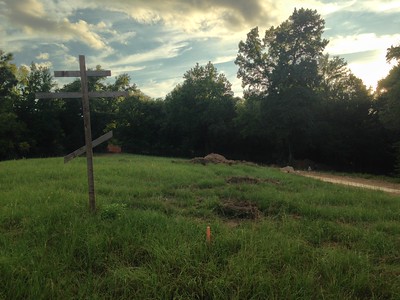
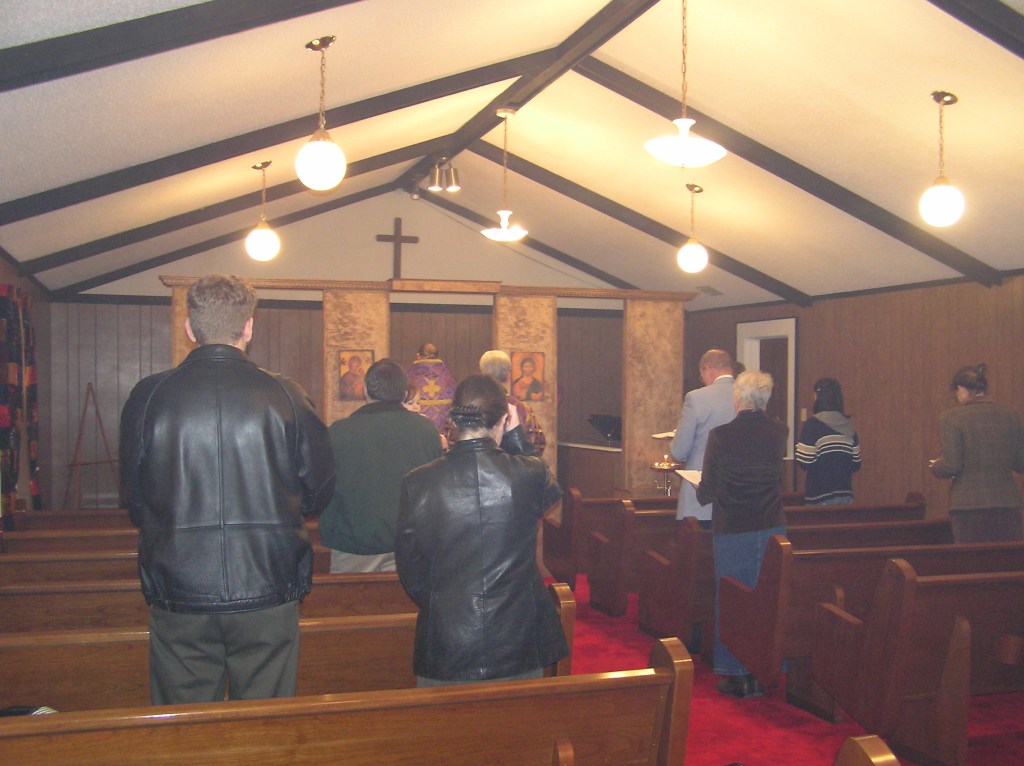
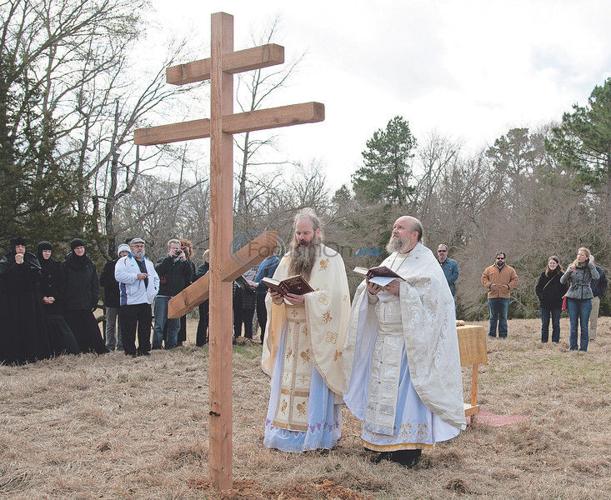
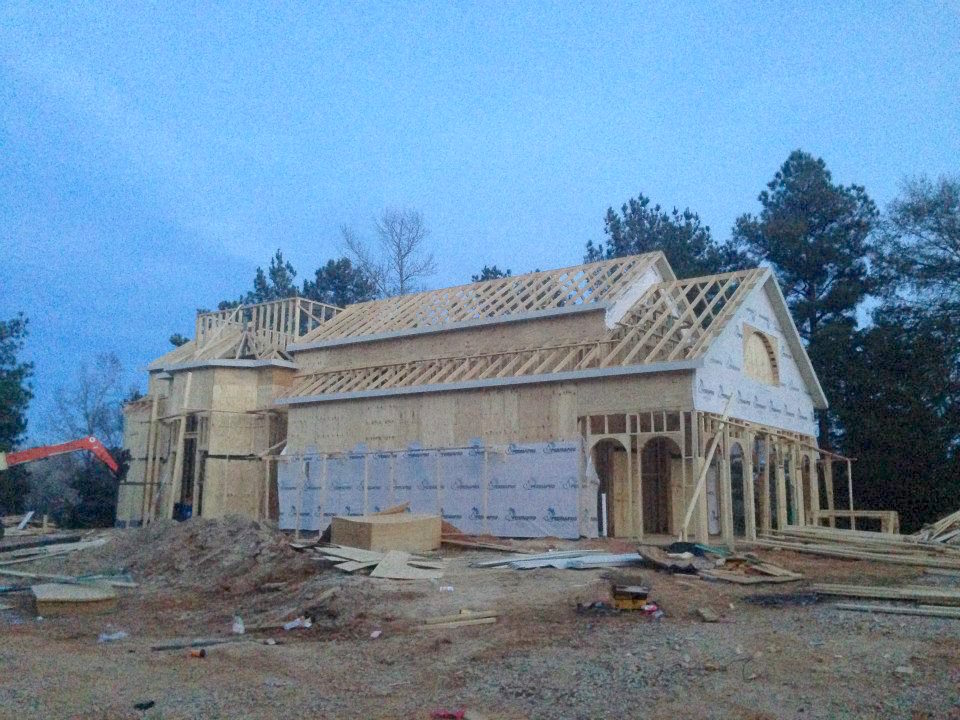
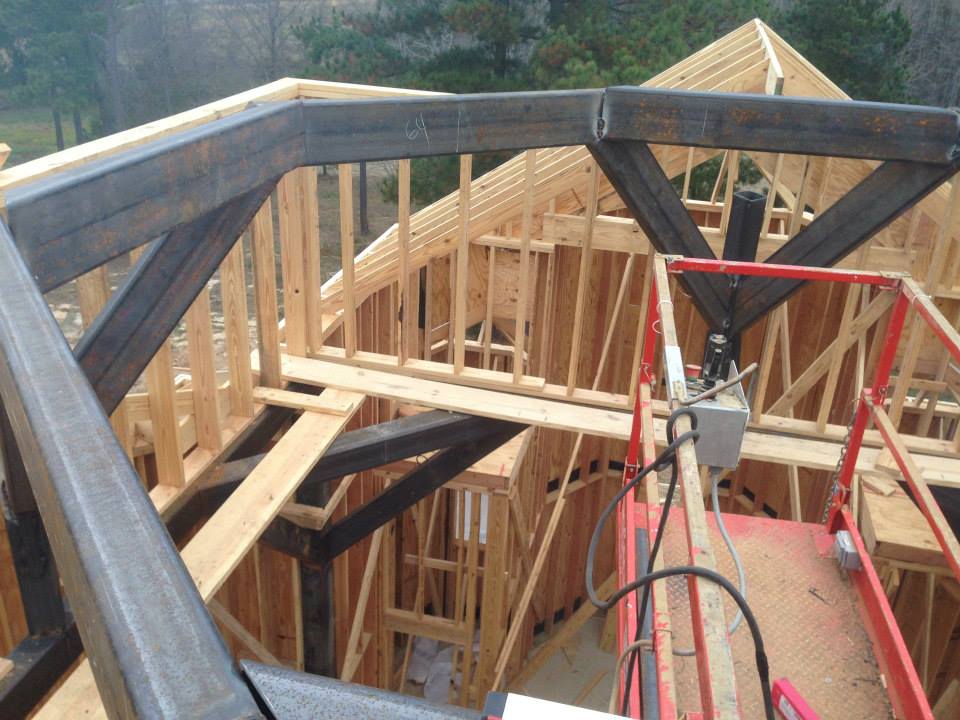
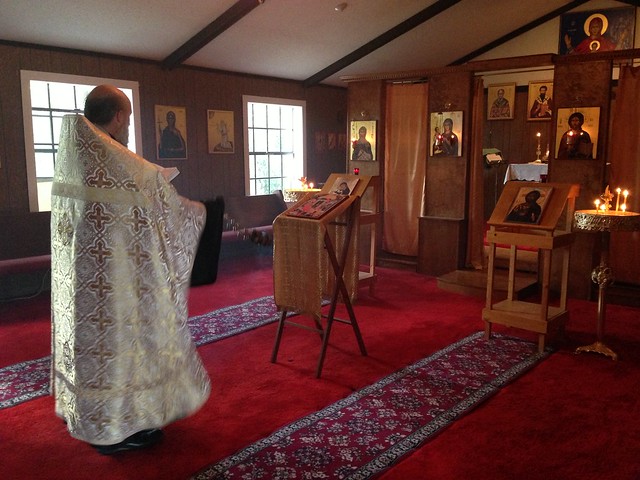
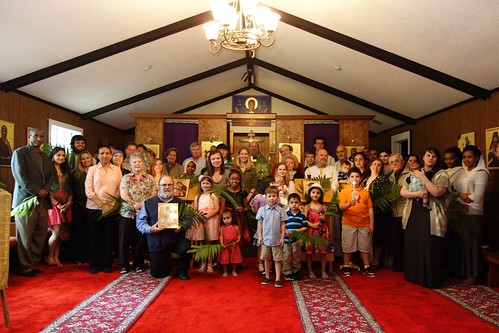
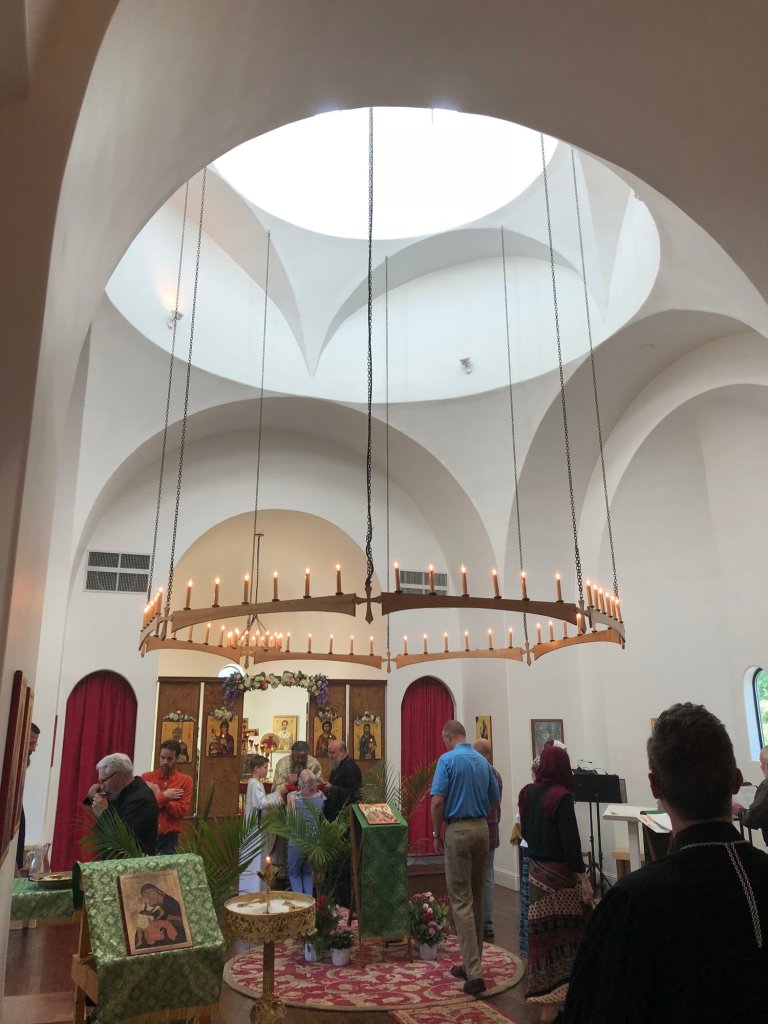
My faithful companion Max and I headed up to the church early this morning. On Wednesdays and Fridays I water the flowers, while he lopes and snoops around the hilltop. The church crowns a small promontory, sloping down to the bottomland on three sides. Sometimes I can catch sight of a doe and her fawns in the bottlenecked meadow on the north. The church was built on part of my mother’s old family farm, so I have been making this drive quite literally all my life. Almost everything along the way has changed in the intervening years, not the least of which being an Orthodox temple at the end of the drive.
At the four-way stop, I glance over at an overgrown homeplace. It is always dark and depressing; undergrowth creeps closer to the old double-wide trailer; an iron gate makes it clear that visitors are not welcome. There is no beauty to the space, not even a single straggly iris can be seen. I know the situation, so I have perhaps more understanding than most motorists who pass by.
But it wasn’t always this way. I remember the old house my dad built in 1945 and then sold soon after 1953. As a child, we used to stop and visit with the friends he sold it to. This was a on a bit of land cut off from the main farm by construction of the new road in 1948. By 1953, a new highway sliced through a backwoods tract in which his father-in-law had an undivided interest. My dad’s business was prospering by then, so he and my mother built a ranch-style brick home there and sold the old frame house. I was born after their move.
In the early years of this century, the solid frame house was sold and moved down the road to be someone’s rent house. It is still there. The current double-wide was moved onto its spot. The rock wellhouse was torn down. The majestic red oak fell in a storm. And then the walnut tree died about that same time. All the old markers were now gone.
Of course, that was not the first house located there. My great-grandfather’s house stood on the spot between 1908 and 1945. It was a simple unpainted plank house. I’ve never seen a picture of it in its entirety, as I doubt if anyone thought it significant enough to take one. A glimpse of a plain porch is all that is seen, a backdrop for a few informal family pictures. I believe my great-grandfather had more wherewithal than the house suggested, as this farm-a gift from his father, adjoined the larger acreage to the east, in which he also had an interest. At his death in 1931, only an unmarried daughter remained at home. The other daughters had married local farmers. The younger sons, with no interest in farming, went straight to town. Most of the older sons had small farms of their own.
His widow, not quite sixty, was not the sort to sit at home. As a cousin told me, “Grandma liked to go!” One of the first things she did after being widowed was to go into Tyler and purchase an automobile. She did not drive, of course. Aunt Gladys did that. And so, they hit the “Sunday dinner-on-the-ground” circuit; going around to church socials and singings. In short order she found another husband and moved to another part of the county.
My granddad was the only one of her brood who did not have a place of his own. He was a good, but simple man. Married at sixteen to the daughter of one of their sharecroppers; he fathered six children over nine years. But he had neither the drive, ability, nor resources to purchase a place of his own, and so remained a sharecropper. My grandmother did not get on with his mother, which limited contact, as well as assistance. But after his father died and his mother had vacated the house, it seemed only natural that my grandfather would move into the family home. And so they did. But he never owned it, for at his mother’s death, he would only have a one-tenth interest.
And so, my mind wandered to what happened there this day1 eighty-eight years ago. In that long ago September of 1936, a young man sat in his roadster pulled up into the yard, with the motor running. A dark-haired teenage girl hurried out of the house, clutching a small bag. Her mother, old at forty, in a faded dress, followed close behind, shaking her finger and hollering after her: If you leave with that man, don’t you ever come back! Life had been hard on her, and she returned the favor. The man and girl were, of course, my parents. This was, no doubt, an eye-opener for my dad, who came from a happy, if tragic family. His soon-to-be inlaws were an unhappy family, with the tragedy being of their own devising.
Like so very many of my grandmother’s opinions, she was just stubbornly wrong-headed about my dad. He turned out to be the best thing that ever happened to her entire family. My mother certainly had no regrets, for this was her escape. It was tough in the beginning. My dad still had two months left in the Civilian Conservation Corps, and perhaps displeased with his marriage, his commanding officer promptly shipped him to a camp in Oregon. My mother remained behind, alone, in a small house near the camp. But she would wait, for she knew any future she had would be made with this man. Children eventually came, neither quickly, nor close together.
Almost from the beginning, my dad began to make improvements on the old place, on his visits back to East Texas. It was larger than the farm his family had lost in 1933. Soon, no more cotton was planted; replaced by cattle. A peach orchard was planted, and in time, a milking shed added to the old barn. But in the natural course of events, his wife would inherit only 1/60th of the farm. So, over time, he bought out one heir after another; my mother’s grandmother and all ten of her children. I view this as one my dad’s great achievements, saving the farm from the very family who would inherit it.
When I was only twelve years old, he and my mother divided it between myself, my brother, and my sister. It has always been my touchstone, and I still own my portion. My sister’s daughter lives on her part. My brother’s heir threw his away. I hope, at least, the porridge was tasty.
And so, the place remained intact, waiting for something it seemed; which turned out to be, in God’s own time, an Orthodox church. My dad is the crucial person in this story; all I did was to hold onto what had been gifted me and not do anything too stupid with it. He has been gone almost forty years. My dad was irenic man, but his perception of even Catholicism was colored by the prejudices of his place and time. I cannot imagine what he would have thought of Orthodoxy. But that was an earlier time; we were not ready yet. He loved children, however. I know he would have laughed to see all the children running over our hilltop at coffee hour after church. I see that—not a successful career, green pastures, and fat cattle-as his legacy.
We cannot see the ripples from the decisions we make in our lives. We love and build. Or we may hate and tear-down. Either way, the ripples go out, breaking on shores unseen.
Photographs
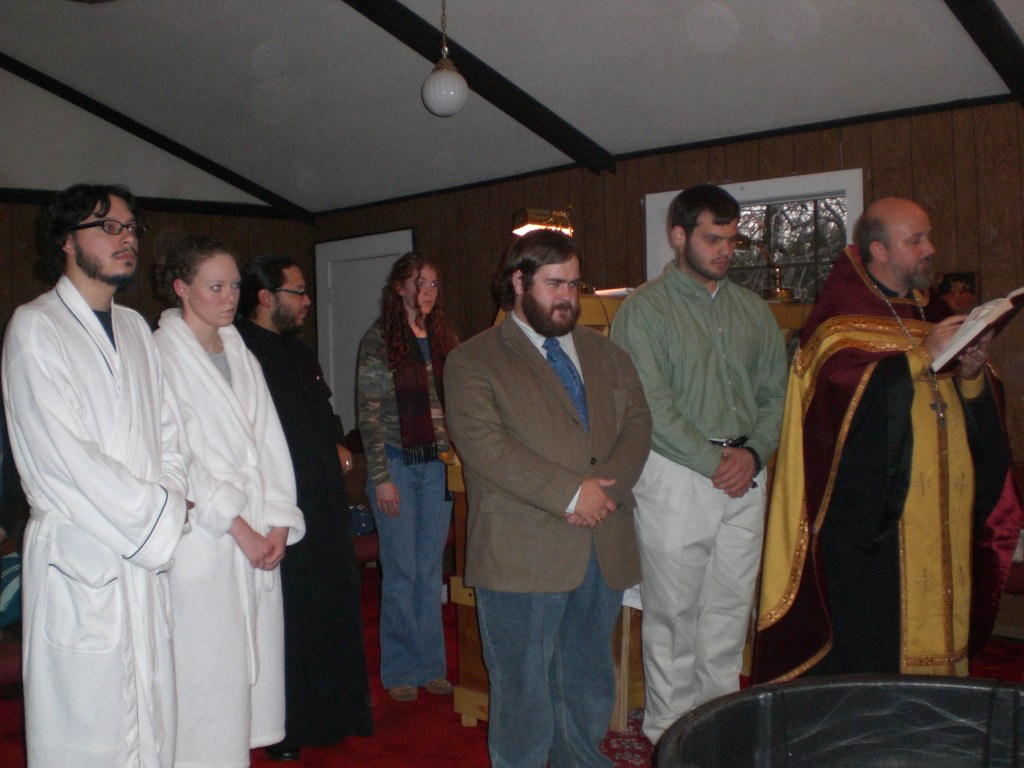
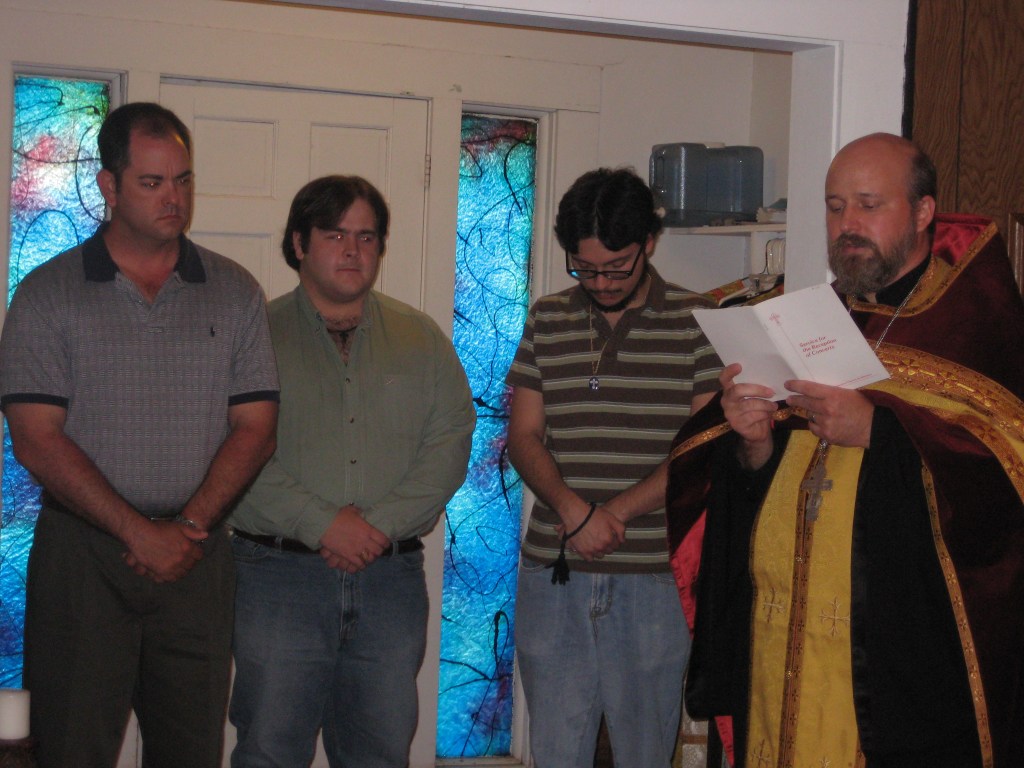
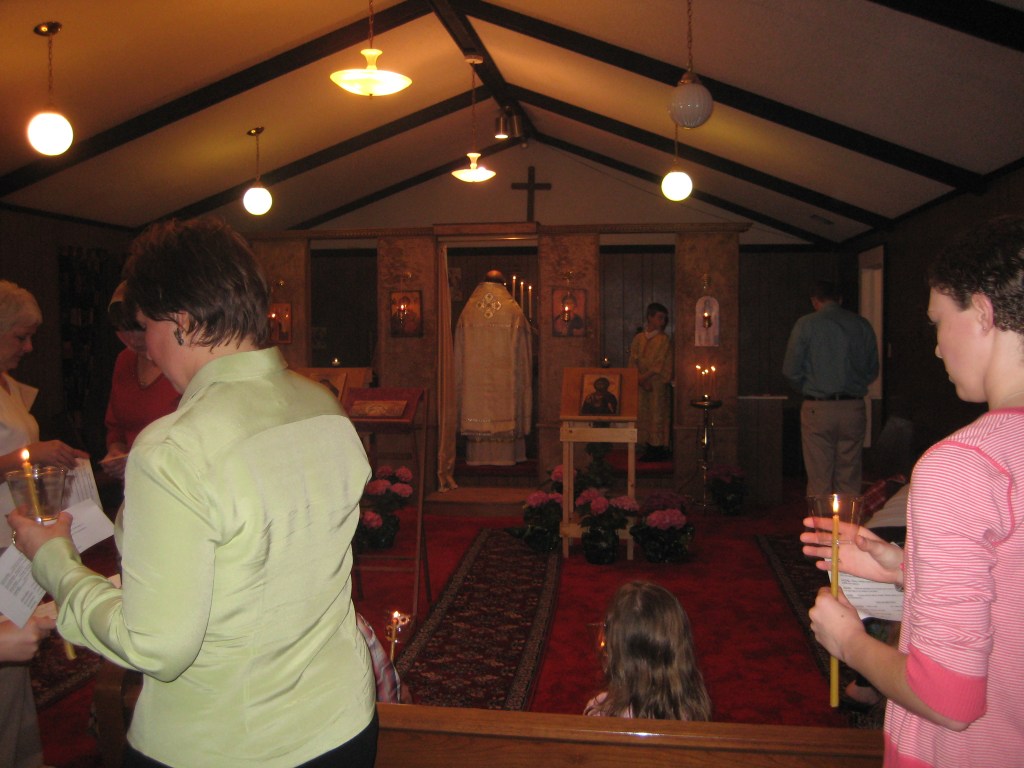
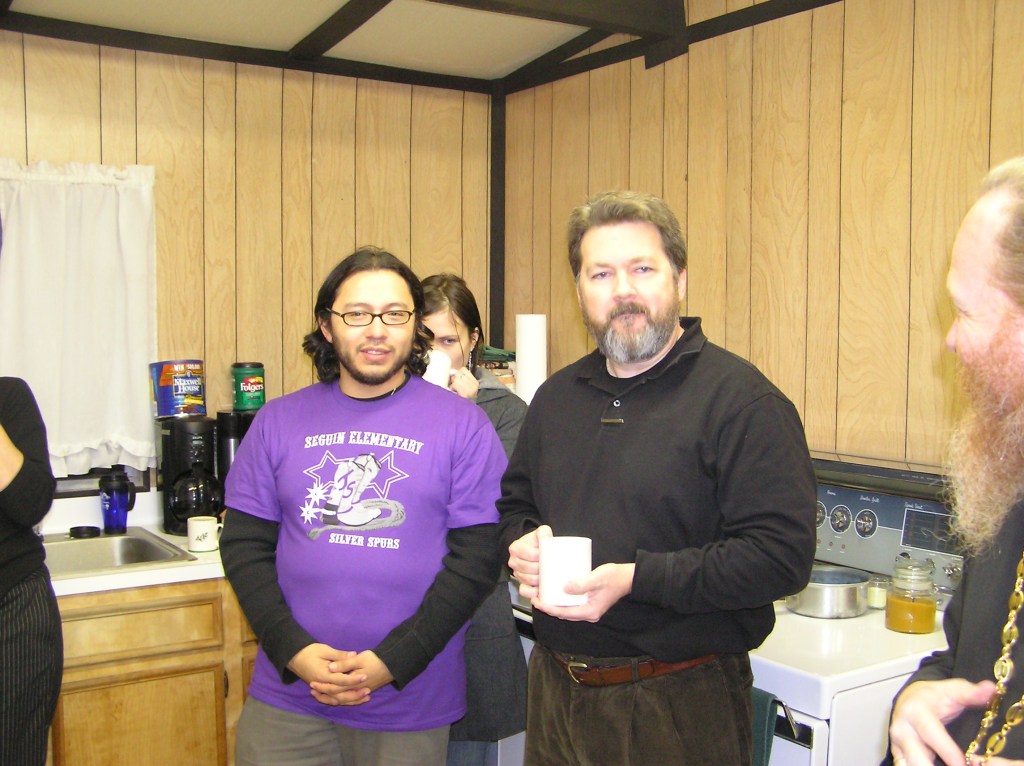
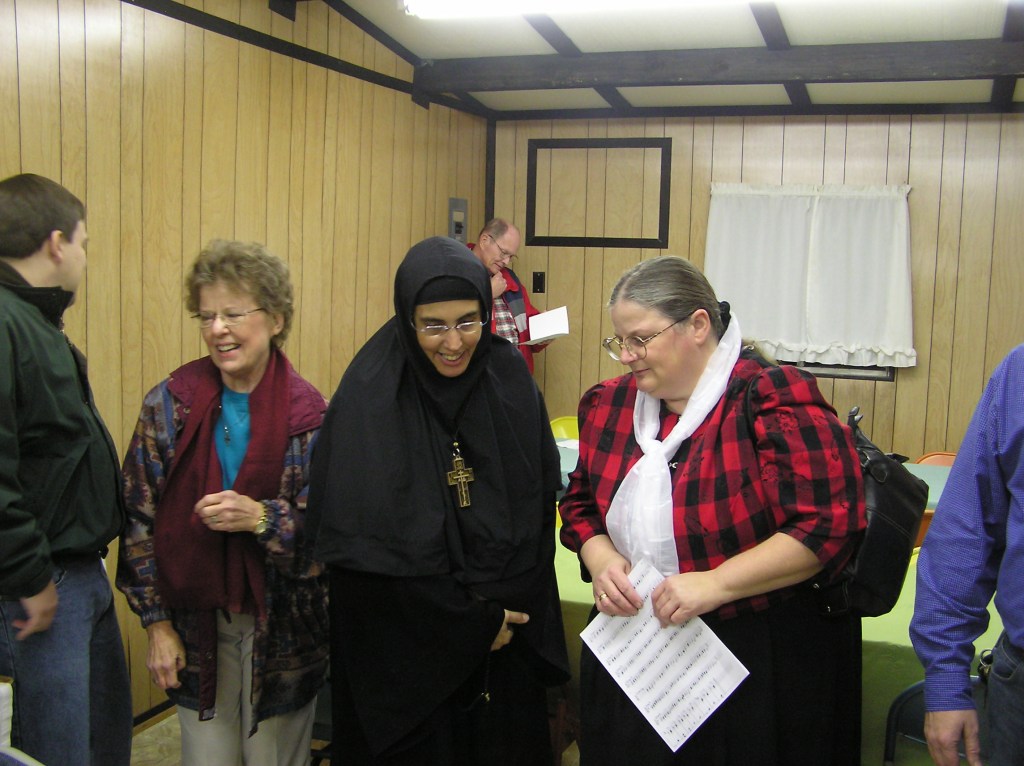
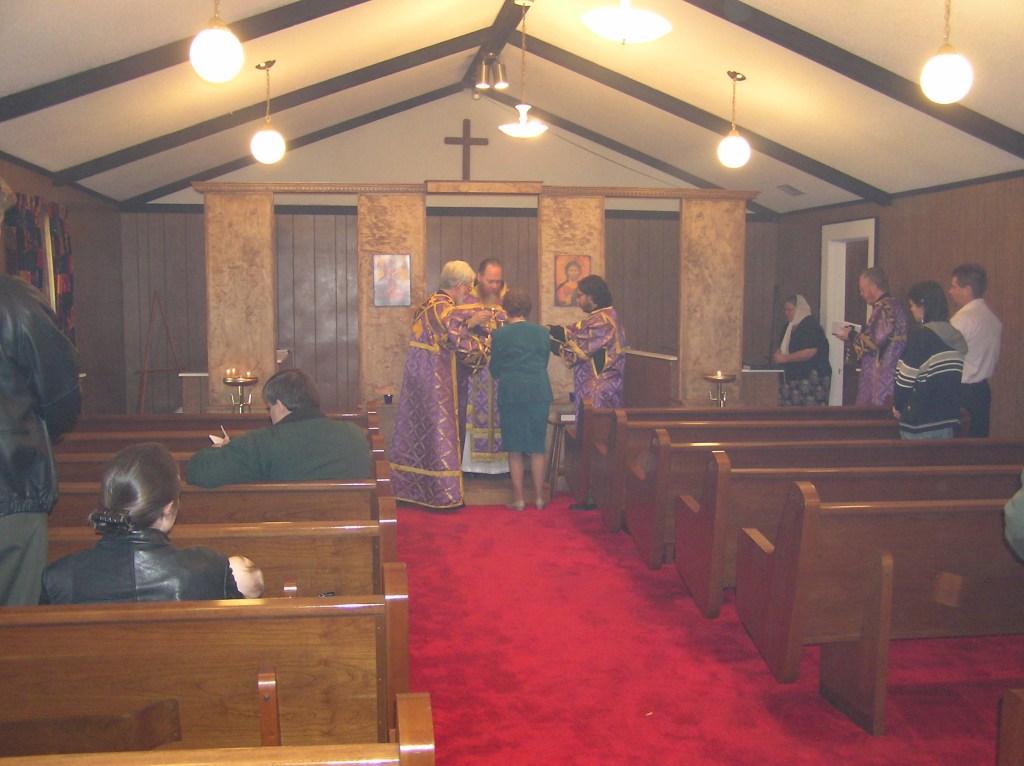
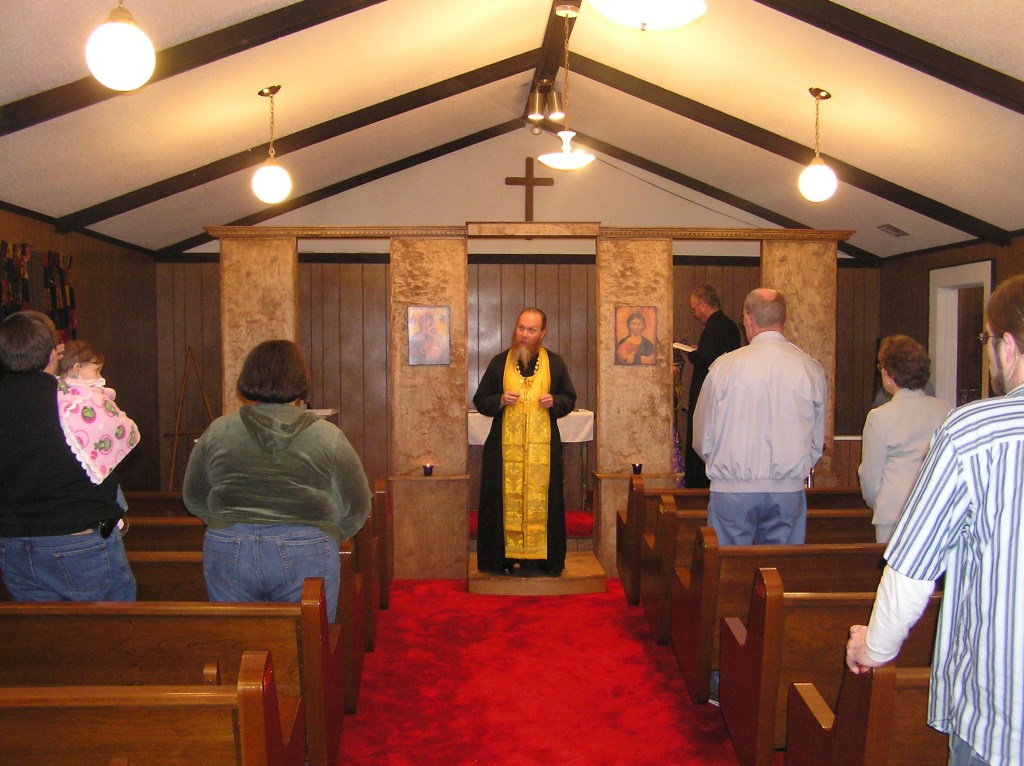






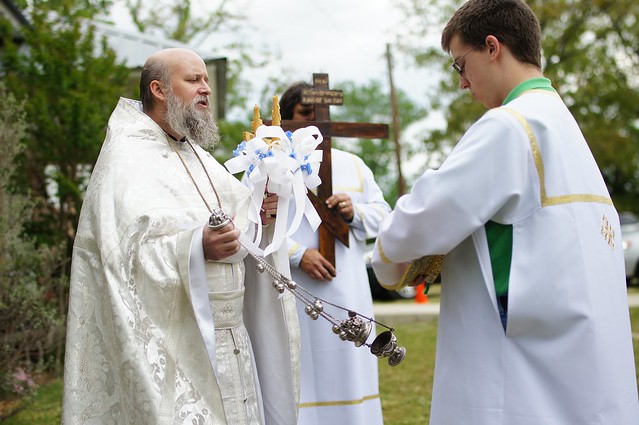

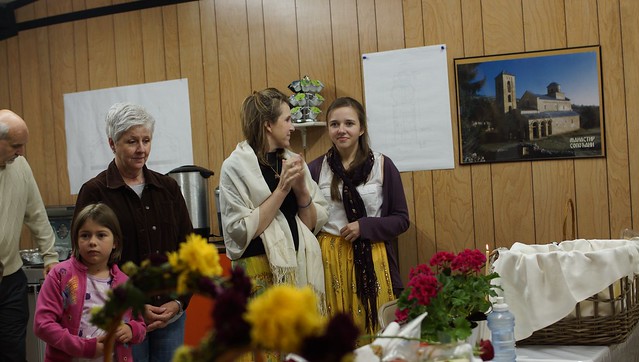
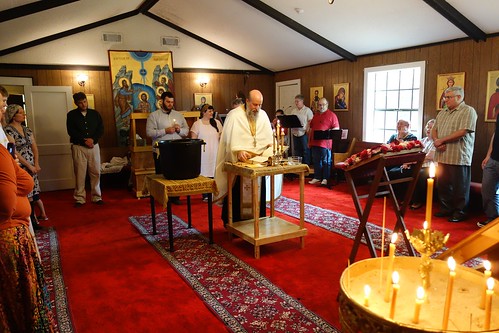
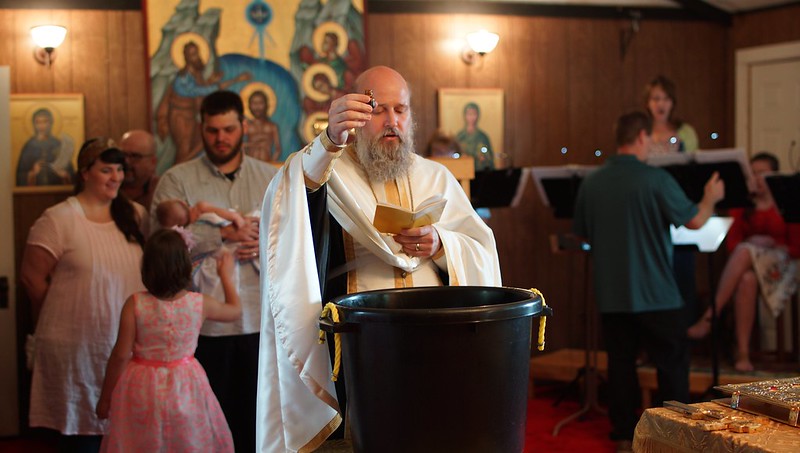
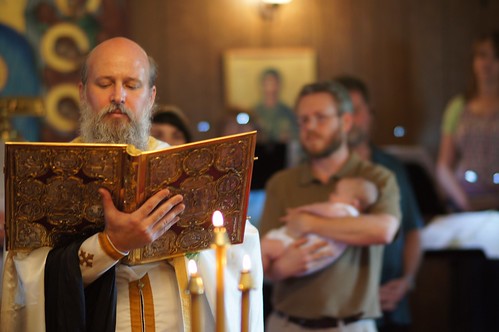


Full Flickr Photos here: https://www.flickr.com/photos/107265213@N07/albums
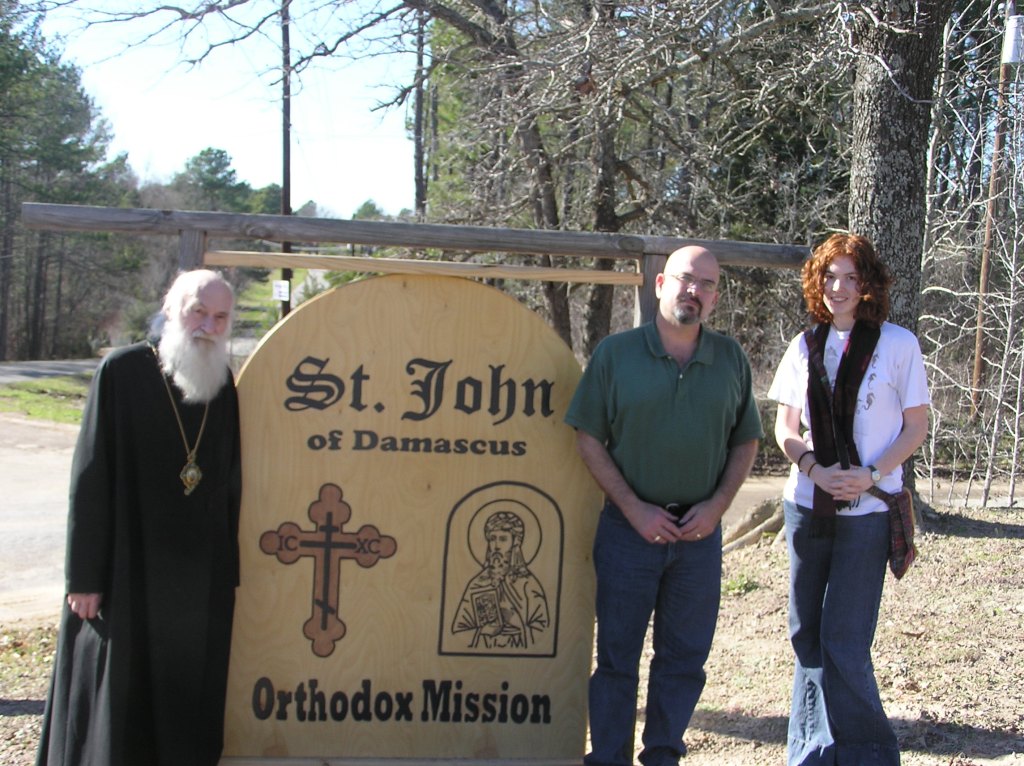
 ST. JOHN OF DAMASCUS ORTHODOX CHURCH